Roll Off Dumpsters: The Anatomy of a Roll Off and Everything Important to Know
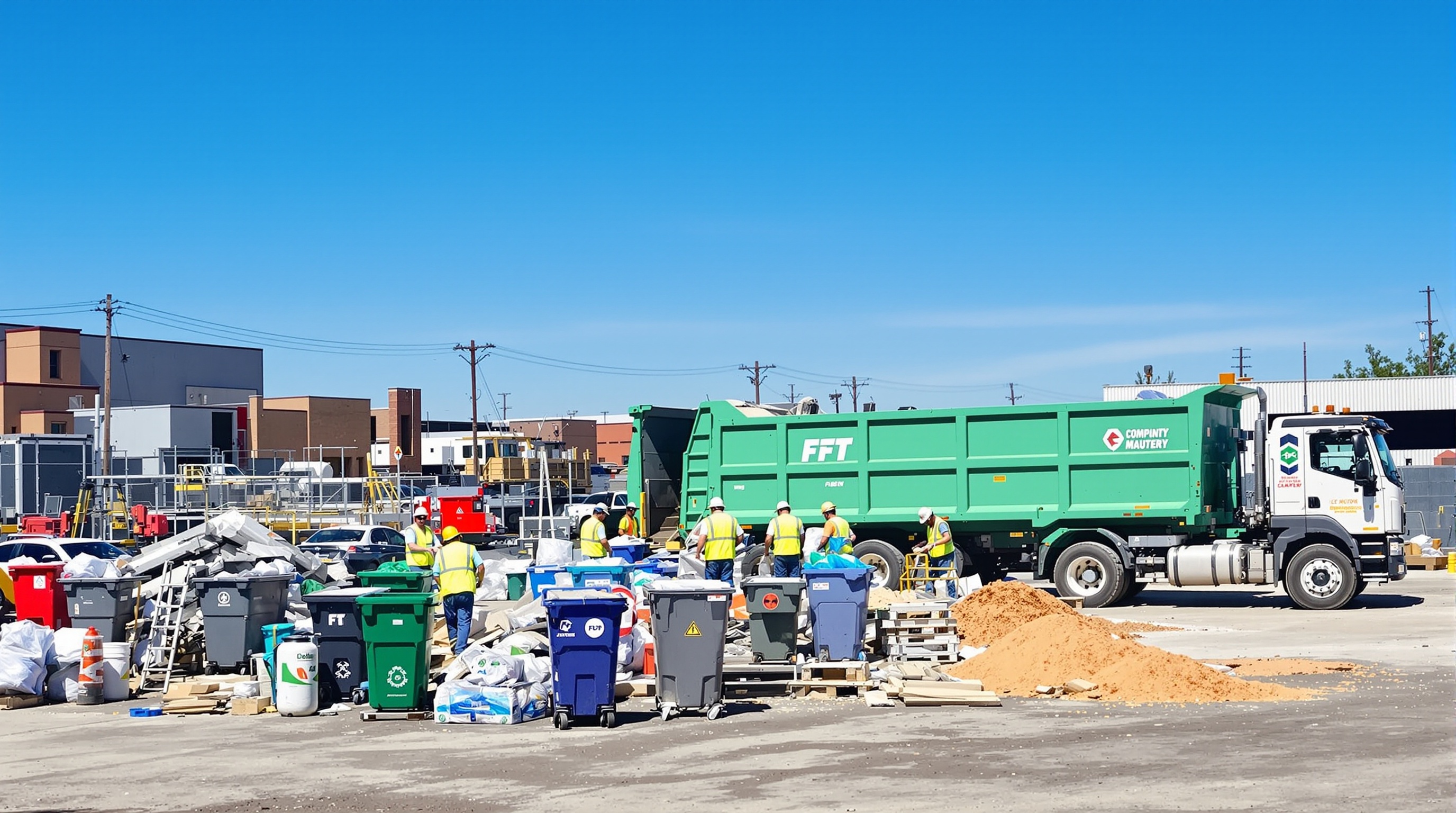
Whether you're planning a major home renovation, managing a construction project, or tackling a large-scale cleanout in El Paso, Texas, understanding roll-off dumpsters is essential for efficient waste management. These versatile containers are the backbone of the waste disposal industry, handling everything from demolition debris to household junk. In this comprehensive guide, we'll explore every aspect of roll-off dumpsters—from their physical anatomy and mechanical components to sizing options, proper usage, and expert tips that will help you make the most of your rental.
By the end of this article, you'll have a complete understanding of how roll-off dumpsters work, what makes them different from other waste containers, and how to choose the right one for your specific project in El Paso. This knowledge will save you money, prevent problems, and ensure your waste disposal project runs smoothly from start to finish.
What Exactly Is a Roll-Off Dumpster?
A roll-off dumpster is a large, rectangular waste container designed for temporary placement at job sites, residential properties, and commercial locations. Unlike permanent commercial dumpsters that are lifted and emptied by garbage trucks, roll-off containers are transported on specialized trucks and literally "rolled off" onto the ground using a hydraulic system. This unique delivery and pickup method gives them their distinctive name.
Roll-off dumpsters in El Paso are distinguished by several key characteristics that make them ideal for large waste disposal projects:
- Open-top design: Allows for easy loading of bulky items and debris from above
- Rectangular shape: Maximizes volume capacity while fitting in standard driveways and work areas
- Rear swing doors: Enable walk-in loading for heavy items and wheelbarrow access
- Heavy-duty steel construction: Built to withstand rough treatment and heavy loads
- Standardized hook/cable system: Compatible with roll-off trucks for easy transport
- Wheels or rollers: Allow the container to roll smoothly during delivery and pickup
Roll-Off vs. Front-Load Dumpsters: Understanding the Difference
Many people confuse roll-off dumpsters with the permanent dumpsters commonly seen behind businesses and apartment complexes. These are actually front-load dumpsters, and they serve very different purposes:
- Front-load dumpsters: Permanent placement, smaller capacity (2-8 cubic yards), lifted and emptied by garbage trucks, ideal for ongoing commercial waste
- Roll-off dumpsters: Temporary placement, larger capacity (10-40 cubic yards), transported whole on specialized trucks, ideal for projects and cleanouts
For most El Paso homeowners and contractors, roll-off dumpsters are the appropriate choice for renovation projects, construction sites, estate cleanouts, and any situation requiring disposal of large volumes of waste over a defined period.
The Complete Anatomy of a Roll-Off Dumpster
Understanding the physical components of a roll-off dumpster helps you use it more effectively and avoid damage that could result in additional fees. Let's examine each part of these industrial workhorses in detail.
The Container Body
The main body of a roll-off container is constructed from heavy-gauge steel, typically 10-12 gauge thickness for the walls and 7-10 gauge for the floor. This robust construction allows the container to handle:
- Heavy materials like concrete, brick, and roofing shingles
- Sharp objects that would puncture lighter containers
- Rough loading with heavy equipment like skid steers
- Years of repeated use and transport
The walls are typically 3-6 feet high depending on the container size, with the larger 40-yard containers featuring the tallest sides. Vertical ribs or corrugations reinforce the walls, preventing bulging when the container is loaded with heavy materials.
The Floor System
The floor of a roll-off dumpster is its most critical structural component, bearing the full weight of loaded materials. Quality containers feature:
- Thick steel plate: Usually 7-gauge or heavier to prevent punctures and deformation
- Cross-member supports: Steel channels running underneath that distribute weight evenly
- Reinforced seams: Welded connections between floor and walls to prevent separation
- Slight slope: Many containers have a subtle slope toward the rear doors for drainage
Rear Swing Doors
One of the most useful features of roll-off dumpsters is the rear swing door system. These full-height doors at the back of the container provide several advantages:
- Walk-in access: You can walk directly into the container to place items precisely
- Wheelbarrow loading: Roll heavy loads directly into the container without lifting
- Equipment access: Small machinery can drive in for loading or compacting
- Easier unloading: At the landfill, doors open for complete emptying
The doors are secured with heavy-duty cam locks or lever latches that keep them closed during transport. When using the doors, always ensure they're fully latched before the container is moved to prevent accidents.
The Hook/Cable Lift System
The mechanism that allows roll-off containers to be loaded and unloaded from trucks is located at the front of the container. There are two primary systems used in the industry:
Hook Lift System
The most common system features a heavy steel hook or bar at the front of the container. The truck's hydraulic arm engages this hook to lift, tilt, and roll the container on and off the truck bed. Hook lift systems are:
- Faster for loading and unloading
- More versatile for different container sizes
- Preferred for most residential and commercial applications
Cable Lift System
Some trucks use a cable and winch system that attaches to the front of the container. The cable pulls the container up an inclined truck bed. Cable systems are:
- Better for extremely heavy loads
- More common with larger 40-yard containers
- Require more clearance space for operation
Wheels and Rollers
At the rear of the container, you'll find wheels or roller assemblies that allow the container to roll smoothly during delivery and pickup. These components:
- Support the container's weight as it rolls off the truck
- Protect your driveway or placement surface from damage
- Allow minor repositioning of the container if needed
- Are typically made of solid steel or heavy-duty rubber
Side Rails and Top Rails
Running along the top edges of the container are steel rails that serve multiple purposes:
- Structural reinforcement: Prevents the walls from spreading under load
- Tarp attachment points: Hooks or loops for securing covers
- Safety feature: Provides a grip point and visual boundary
- Forklift compatibility: Some containers have fork pockets for alternative handling
Understanding Roll-Off Dumpster Sizes
Roll-off dumpsters in El Paso come in several standard sizes, measured in cubic yards. Understanding these sizes and their appropriate applications is crucial for selecting the right container for your project.
10-Yard Roll-Off Dumpster
The smallest standard roll-off container, the 10-yard dumpster is perfect for smaller projects and tight spaces.
- Typical dimensions: 12 feet long × 8 feet wide × 3.5 feet high
- Capacity equivalent: Approximately 3 pickup truck loads
- Weight limit: Usually 2-3 tons depending on provider
- Best for: Small bathroom remodels, garage cleanouts, deck removal, small landscaping projects
- Fits: Most residential driveways with ease
20-Yard Roll-Off Dumpster
The most popular size for residential projects in El Paso, the 20-yard container offers an excellent balance of capacity and manageability.
- Typical dimensions: 22 feet long × 8 feet wide × 4.5 feet high
- Capacity equivalent: Approximately 6 pickup truck loads
- Weight limit: Usually 3-4 tons depending on provider
- Best for: Kitchen/bathroom renovations, flooring replacement, medium cleanouts, roofing projects (single layer), estate cleanouts
- Fits: Standard residential driveways
30-Yard Roll-Off Dumpster
A step up in capacity, the 30-yard container handles larger renovation projects and commercial applications.
- Typical dimensions: 22 feet long × 8 feet wide × 6 feet high
- Capacity equivalent: Approximately 9 pickup truck loads
- Weight limit: Usually 4-5 tons depending on provider
- Best for: Whole-house cleanouts, major renovations, new construction debris, commercial cleanouts, large landscaping projects
- Fits: Larger driveways or construction sites
40-Yard Roll-Off Dumpster
The largest standard roll-off container, the 40-yard dumpster is designed for major projects and commercial applications.
- Typical dimensions: 22 feet long × 8 feet wide × 8 feet high
- Capacity equivalent: Approximately 12 pickup truck loads
- Weight limit: Usually 5-6 tons depending on provider
- Best for: Large commercial projects, demolition, industrial cleanouts, major construction sites, warehouse cleanouts
- Fits: Commercial properties and large construction sites
How Roll-Off Dumpster Delivery and Pickup Works
Understanding the delivery and pickup process helps you prepare your site and avoid potential problems. Here's what to expect when you rent a roll-off dumpster in El Paso.
The Delivery Process
- Scheduling: You'll arrange a delivery date and time window with your provider. Most El Paso dumpster companies offer same-day or next-day delivery.
- Site preparation: Clear the placement area of vehicles, obstacles, and overhead obstructions. The truck needs approximately 60 feet of clearance to operate.
- Truck arrival: The roll-off truck arrives and the driver assesses the placement location for safety and accessibility.
- Container placement: Using the hydraulic system, the driver tilts the truck bed and rolls the container off onto your property. This takes only a few minutes.
- Final positioning: The driver may make minor adjustments to ensure the container is level and properly positioned.
- Walkthrough: The driver explains proper loading procedures and any restrictions before departing.
The Pickup Process
- Scheduling pickup: Contact your provider when you're finished loading or when your rental period ends.
- Pre-pickup inspection: Ensure the container isn't overloaded and the rear doors are securely latched.
- Truck arrival: The roll-off truck returns to retrieve the container.
- Loading: The driver attaches the hook or cable and uses the hydraulic system to pull the container onto the truck bed.
- Transport: The loaded container is transported to the appropriate disposal facility.
- Disposal: Contents are weighed and disposed of according to local regulations.
Space Requirements for Delivery
Successful roll-off dumpster delivery requires adequate space. Consider these requirements:
- Length: At least 60 feet of straight clearance for the truck to operate
- Width: Minimum 10 feet wide for the container plus maneuvering room
- Height: No overhead obstructions (power lines, tree branches, awnings) below 23 feet
- Surface: Firm, level ground that can support the container's weight
- Access: Clear path from the street to the placement location
What Can and Cannot Go in a Roll-Off Dumpster
Knowing what materials are acceptable for roll-off dumpster disposal in El Paso prevents additional fees and ensures compliance with environmental regulations.
Generally Accepted Materials
- Construction debris: Drywall, lumber, plywood, siding, insulation, roofing materials
- Demolition waste: Concrete, brick, block, stone, asphalt (often requires special pricing)
- Household items: Furniture, mattresses, carpeting, appliances (non-freon)
- Yard waste: Branches, stumps, brush, soil, sod
- General trash: Boxes, packaging, non-hazardous household waste
- Metals: Scrap metal, pipes, fencing, metal furniture
Prohibited Materials
The following items are typically prohibited from roll-off dumpsters due to environmental regulations or safety concerns:
- Hazardous waste: Chemicals, solvents, pesticides, oil-based paints
- Flammable materials: Gasoline, propane tanks, lighter fluid
- Electronics: TVs, computers, monitors (e-waste requires special disposal)
- Appliances with freon: Refrigerators, air conditioners, freezers
- Tires: Require separate recycling
- Batteries: All types, including car batteries
- Medical waste: Needles, pharmaceuticals, biohazardous materials
- Asbestos: Requires licensed hazardous material handling
Special Considerations for Heavy Materials
Heavy materials like concrete, dirt, and roofing shingles require special attention:
- Weight limits: Heavy materials quickly exceed weight limits, resulting in overage fees
- Dedicated containers: Some providers offer "heavy debris" dumpsters with appropriate pricing
- No mixing: Many providers prohibit mixing heavy materials with general waste
- Fill level: Heavy materials should only fill the container partially to stay within weight limits
Expert Tips for Loading Your Roll-Off Dumpster
Proper loading techniques maximize your container's capacity, prevent safety hazards, and avoid additional fees. Follow these expert tips for the best results with your El Paso dumpster rental.
Loading Strategy
- Start with flat items: Place plywood, drywall, and other flat materials on the bottom to create a stable base.
- Add heavy items next: Position heavy materials low and toward the center for stability during transport.
- Break down bulky items: Disassemble furniture, break down boxes, and cut long materials to maximize space.
- Fill gaps: Use smaller items and loose debris to fill spaces between larger objects.
- Distribute weight evenly: Avoid loading all heavy materials on one side, which can make transport dangerous.
- Use the rear doors: Walk heavy items in through the doors rather than lifting them over the sides.
- Don't overfill: Keep materials below the top edge of the container walls.
Common Loading Mistakes to Avoid
- Overloading: Materials extending above the container walls create safety hazards and may result in refused pickup
- Uneven weight distribution: Can cause the container to tip during loading onto the truck
- Leaving air pockets: Wastes valuable space and reduces your effective capacity
- Not breaking down items: Whole furniture and unflattened boxes waste significant space
- Ignoring weight limits: Heavy materials can quickly exceed limits even when the container isn't full
Understanding Roll-Off Dumpster Pricing
Roll-off dumpster pricing in El Paso varies based on several factors. Understanding these components helps you budget accurately and avoid unexpected charges.
Base Pricing Components
- Container size: Larger containers cost more, but price per cubic yard often decreases with size
- Rental period: Standard rentals typically include 7-14 days; longer periods cost more
- Delivery and pickup: Transportation costs are usually included in the base price
- Disposal fees: Landfill tipping fees based on weight are typically included up to a limit
- Weight allowance: Most rentals include a specific tonnage; excess weight incurs additional fees
Potential Additional Fees
- Overage fees: Charges for exceeding the included weight limit (typically $40-$75 per additional ton)
- Extended rental: Daily fees for keeping the container beyond the standard period
- Prohibited items: Fees for disposing of items that require special handling
- Overloading: Charges if materials extend above the container walls
- Dry run fees: If the truck arrives and cannot access the container for pickup
- Relocation fees: Moving the container to a different location on your property
Tips for Controlling Costs
- Choose the right size—too small means a second rental, too large wastes money
- Understand weight limits and plan accordingly for heavy materials
- Schedule delivery when you're ready to start loading immediately
- Complete your project within the standard rental period
- Separate recyclables that can be disposed of for free elsewhere
- Get quotes from multiple El Paso dumpster rental companies to compare pricing
Permits and Regulations for Roll-Off Dumpsters in El Paso
Depending on where you place your roll-off dumpster, you may need permits or must comply with specific regulations. Understanding these requirements prevents fines and project delays.
When Permits Are Required
- Street placement: Dumpsters placed on public streets typically require a permit from the City of El Paso
- Right-of-way: Placement in public rights-of-way (sidewalks, alleys) requires authorization
- Extended placement: Long-term rentals may require special permits
- HOA communities: Many homeowners associations have specific rules about dumpster placement
Private Property Placement
When placing a roll-off dumpster on private property in El Paso, permits are generally not required, but you should:
- Ensure the placement doesn't block sidewalks or public access
- Verify your HOA doesn't have restrictions on dumpster placement
- Protect your driveway or surface with plywood if concerned about damage
- Keep the container on your property, not extending into the street
Environmental Responsibility and Roll-Off Dumpsters
Responsible waste disposal protects El Paso's desert environment and ensures compliance with environmental regulations. Here's how to minimize your environmental impact when using roll-off dumpsters.
Recycling Opportunities
- Metal recycling: Scrap metal can often be recycled for cash rather than disposed of
- Concrete and asphalt: Many facilities recycle these materials into aggregate
- Wood waste: Clean lumber can be recycled or repurposed
- Cardboard and paper: Separate these for recycling rather than landfill disposal
Donation Before Disposal
Before filling your dumpster, consider whether items could benefit others:
- Usable furniture and appliances can go to local charities
- Building materials in good condition may be accepted by Habitat for Humanity ReStore
- Clothing and household goods can be donated to thrift stores
- Working electronics can be donated to schools or nonprofits
Choosing Responsible Providers
When selecting a roll-off dumpster provider in El Paso, ask about their environmental practices:
- Do they sort materials for recycling at their facility?
- What percentage of waste is diverted from landfills?
- Do they use fuel-efficient trucks?
- Are they properly licensed for waste transport and disposal?
How to Choose the Right Roll-Off Dumpster Provider in El Paso
Selecting a reliable dumpster rental company in El Paso ensures a smooth experience and fair pricing. Here's what to look for when comparing providers.
Key Factors to Consider
- Transparent pricing: Clear quotes that include all fees and explain potential additional charges
- Size availability: Multiple container sizes to match your specific needs
- Flexible scheduling: Same-day or next-day delivery and pickup options
- Local knowledge: Understanding of El Paso regulations and disposal requirements
- Customer service: Responsive communication and helpful guidance
- Proper licensing: Licensed and insured for waste transport and disposal
- Positive reviews: Good reputation among local customers
Questions to Ask Before Renting
- What's included in the quoted price?
- What's the weight limit and overage fee?
- How long is the standard rental period?
- What items are prohibited?
- What happens if I need to extend my rental?
- Do you offer same-day delivery?
- What's your policy if the container can't be accessed for pickup?
Conclusion: Your Complete Guide to Roll-Off Dumpster Success
Roll-off dumpsters are essential tools for managing large waste disposal projects in El Paso, Texas. From their heavy-duty steel construction and hydraulic delivery systems to their various sizes and loading best practices, understanding these containers helps you make informed decisions and get the most value from your rental.
Whether you're renovating your home, managing a construction site, or tackling a major cleanout, the right roll-off dumpster makes the job easier and more efficient. By choosing the appropriate size, loading properly, understanding what materials are acceptable, and working with a reputable provider, you'll complete your project successfully while staying within budget.
Remember that proper waste disposal isn't just about convenience—it's about protecting El Paso's environment and community. By using roll-off dumpsters responsibly and following local regulations, you contribute to keeping our city clean and beautiful for future generations.
Armed with the knowledge from this comprehensive guide, you're ready to tackle any waste disposal project with confidence. From understanding the anatomy of a roll-off container to mastering loading techniques and navigating pricing structures, you now have everything you need to make your next project a success.
Ready to Rent a Roll-Off Dumpster in El Paso?
Our team is ready to help you choose the perfect container size for your project. We offer transparent pricing, flexible scheduling, and expert guidance for all your waste disposal needs.
Frequently Asked Questions About Roll-Off Dumpsters
What size roll-off dumpster do I need for a home renovation?
For most home renovations in El Paso, a 20-yard dumpster is ideal. It handles kitchen and bathroom remodels, flooring replacement, and medium-sized cleanouts. For larger whole-house renovations, consider a 30-yard container.
How long can I keep a roll-off dumpster?
Standard rental periods in El Paso are typically 7-14 days, depending on the provider. Extended rentals are available for an additional daily fee. Plan your project timeline to maximize your rental period.
Can I put concrete in a roll-off dumpster?
Yes, but concrete is extremely heavy and requires special consideration. Many providers offer dedicated "heavy debris" dumpsters for concrete, brick, and dirt. Never mix heavy materials with general waste, and be aware of weight limits.
Do I need a permit for a dumpster in my driveway?
In El Paso, dumpsters placed on private property (like your driveway) typically don't require permits. However, if the container must be placed on a public street, you'll need a permit from the city. Check with your HOA if applicable.
What happens if I exceed the weight limit?
Exceeding the included weight limit results in overage fees, typically $40-$75 per additional ton. To avoid surprises, discuss your project materials with your provider and choose an appropriate container size and weight allowance.